Blogs
Understanding IC Chips and Their Crucial Role in LED Display Technology
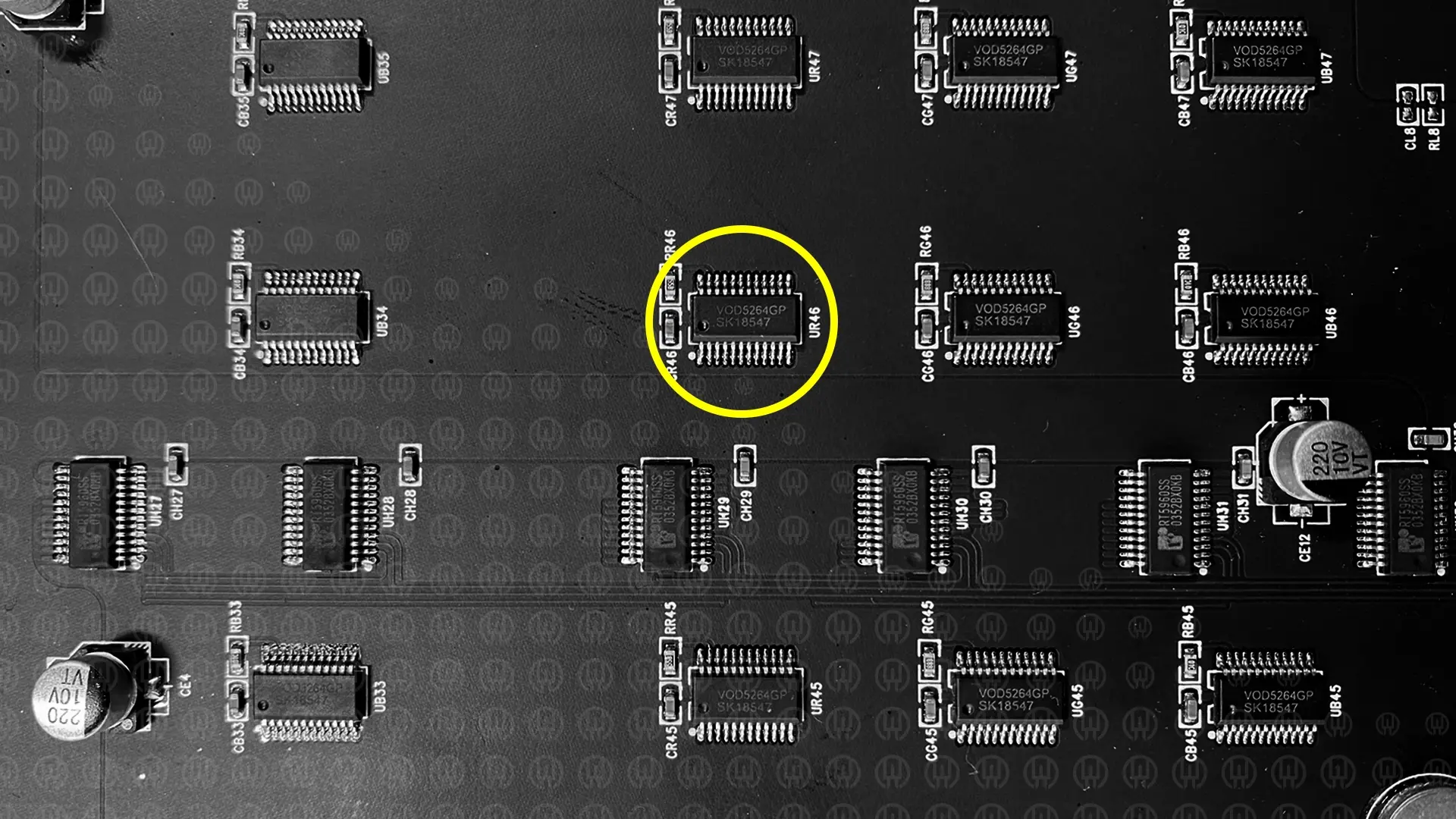
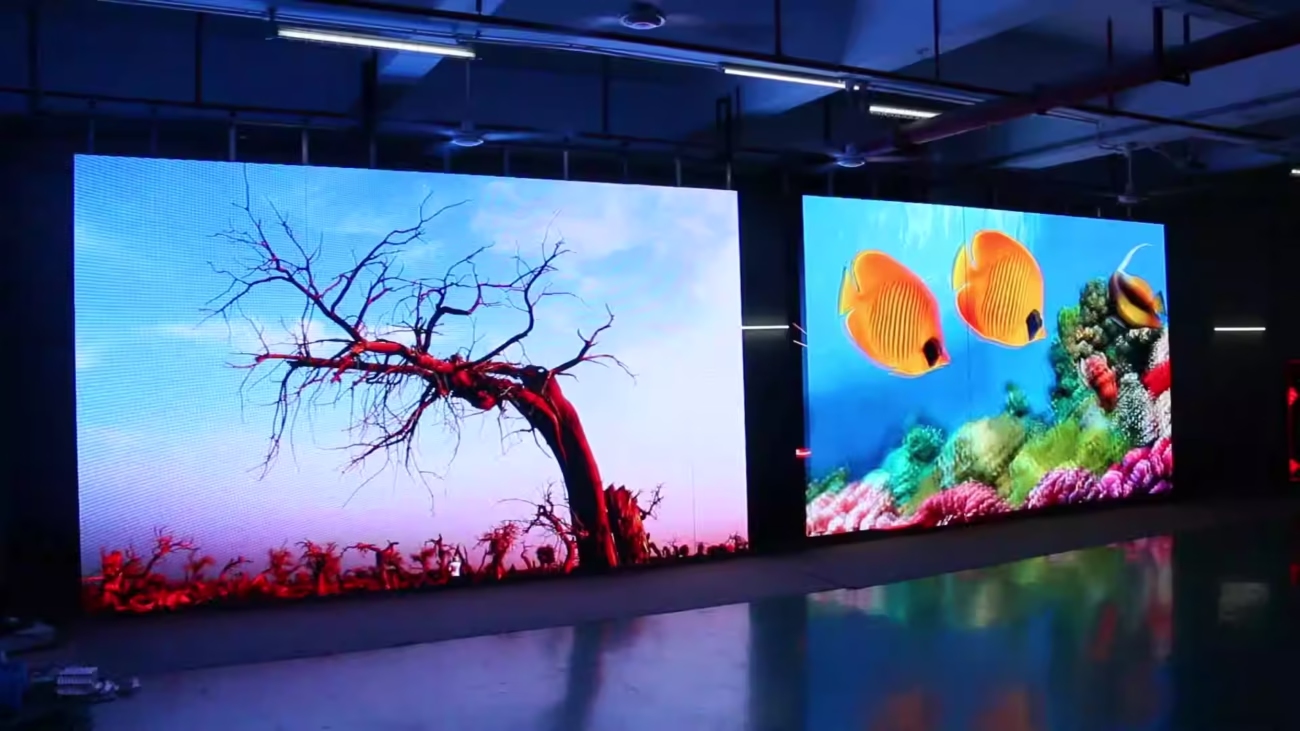
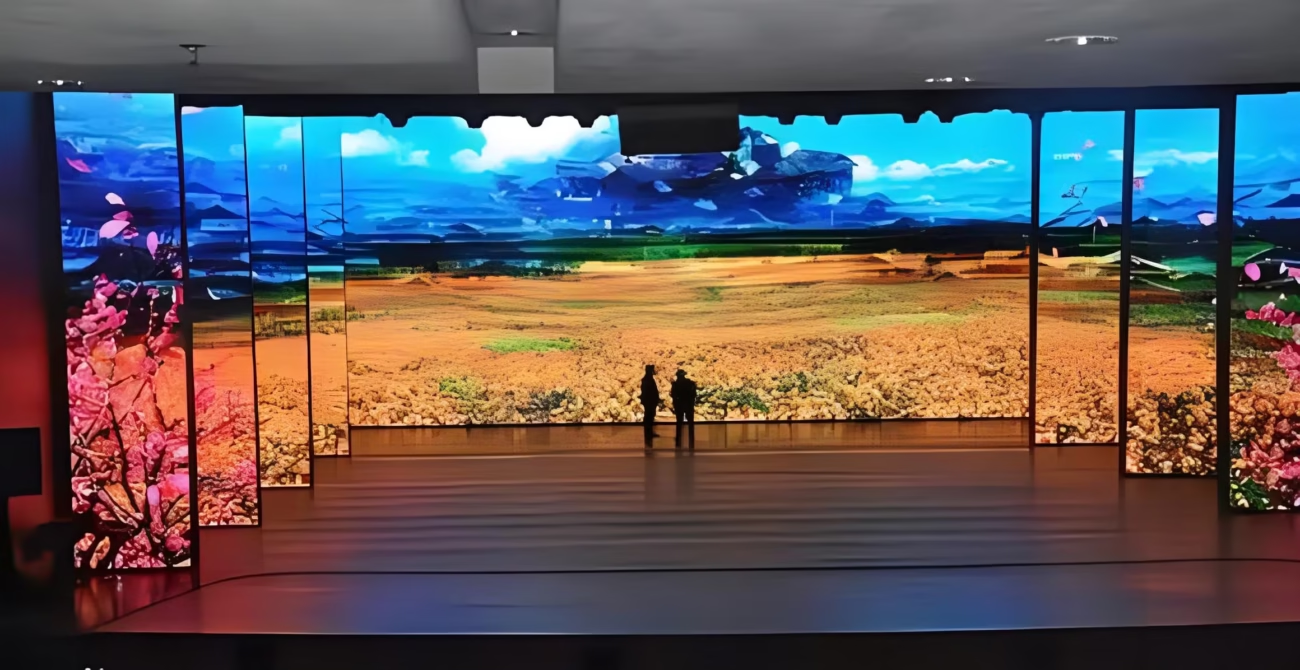
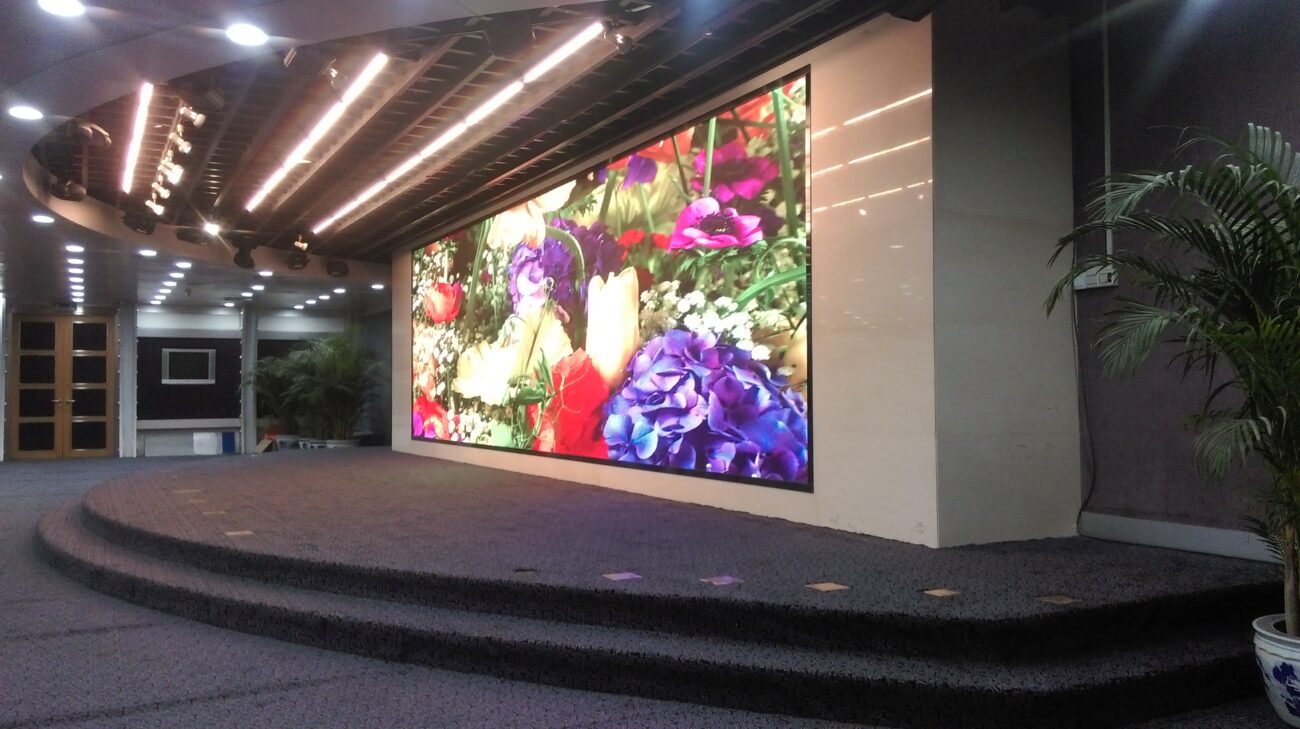
In the world of LED display technology, an often-overlooked yet essential component is the IC chip (Integrated Circuit). These small but powerful chips play a pivotal role in the functionality and performance of modern LED displays, from ensuring crisp visuals to enabling smart features. At LEDDisplay.pk, we delve into the importance of IC chips in LED displays and how they contribute to creating seamless, high-quality viewing experiences.
What is an IC Chip?
An IC chip, or Integrated Circuit, is a tiny electronic component that combines multiple electronic circuits into a single unit. These circuits are made up of transistors, resistors, capacitors, and other components that work together to perform specific tasks. In the context of LED displays, IC chips control and manage the signals sent to the LEDs, ensuring proper color, brightness, and functionality.
Role of IC Chips in LED Displays
IC chips play several vital roles in the operation of LED displays. Without them, modern LED technology would not be as efficient, reliable, or powerful as it is today. Here’s how they contribute:
1. Signal Processing
IC chips are responsible for processing and translating digital signals into the analog signals needed to control the LED pixels. These chips ensure that each LED in the display receives the correct information in terms of color and brightness. By accurately processing signals, they help maintain high image quality across the display.
2. Color and Brightness Control
LED displays rely on IC chips to manage the brightness and color output of individual LEDs. This control is essential for producing vibrant, sharp, and accurate images. The chips adjust the electrical current sent to each LED, enabling precise control over the RGB (Red, Green, Blue) channels to achieve the desired color output. This ability ensures that the display can deliver full-spectrum colors and adjust brightness levels to suit different lighting conditions.
3. Synchronization of LEDs
In large LED video walls or displays with many panels, IC chips are responsible for synchronizing the behavior of the LEDs across all panels. They ensure that the entire display works as one cohesive unit, with consistent color, brightness, and response times, even when the display is made up of multiple smaller sections.
4. Power Efficiency
Power management is another key function of IC chips in LED displays. These chips help optimize the power consumption of the LEDs by ensuring that each LED uses only the necessary amount of energy. This contributes to energy efficiency, reduces heat generation, and extends the lifespan of the display, making it more sustainable and cost-effective.
5. Enhancing Performance and Durability
Advanced IC chips are often designed to protect the display from power surges or other electrical issues. They regulate voltage levels, preventing damage to the LEDs, and help in the long-term durability of the display. Additionally, they contribute to the overall performance of the display by improving its response time, image processing speed, and color accuracy.
Types of IC Chips Used in LED Displays
There are several types of IC chips used in LED display technology, each serving a specific purpose to optimize performance:
Driver ICs: These chips control the current that flows to each individual LED. Driver ICs are critical for brightness control and ensuring that each LED is illuminated with the correct amount of energy.
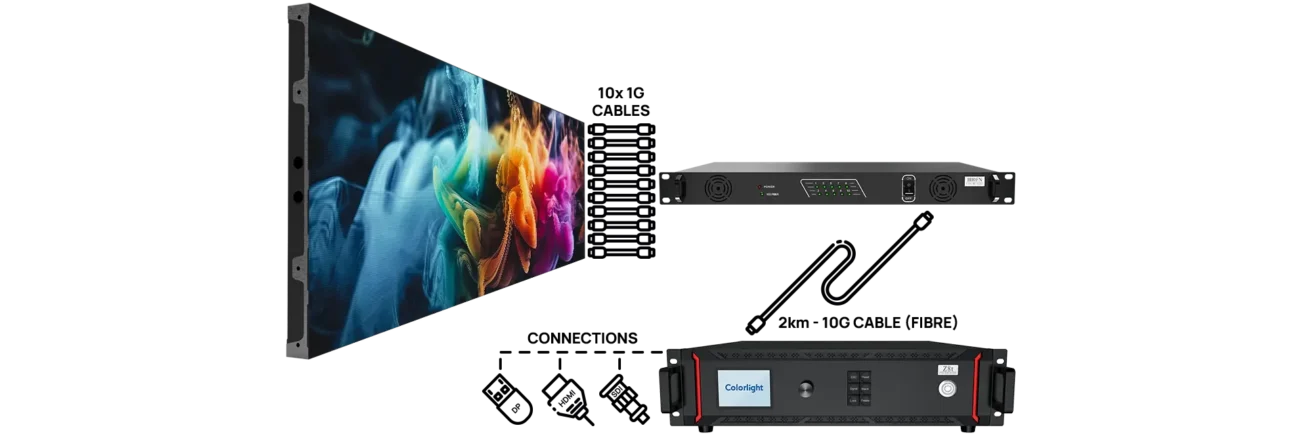
Controller ICs: These chips process signals from the video source and convert them into a format that the LED panel can understand. They help manage the overall display by ensuring proper communication between the video input and the LED array.
Decoder ICs: These chips decode the input signals and convert them into a format that the driver and controller ICs can use. They help in displaying images, videos, or text clearly and smoothly.
Why IC Chips Matter in LED Displays?
Without IC chips, LED displays would not function as effectively or efficiently. These chips allow for:
- Precise control over color and brightness for a more realistic and vibrant viewing experience.
- Seamless synchronization across large video walls or multi-panel displays.
- Increased durability and longevity of LED panels by protecting them from electrical surges.
- Power efficiency that reduces energy consumption, saving costs over time.
Conclusion
In summary, IC chips are the backbone of modern LED display technology. They are essential for signal processing, color and brightness control, synchronization, power management, and overall performance. At LEDDisplay.pk, we offer high-quality LED display solutions that integrate the latest IC chip technology, ensuring your displays are efficient, durable, and offer superior image quality.
Related Posts
How to Create Compelling Content for Your Digital Signage Campaigns
-
Posted by
Syed Talha Ali
- 0 comments
Choosing the Best LED Displays for Your Business Needs: A Complete Guide
-
Posted by
Syed Talha Ali
- 0 comments
10 Ways Digital Signage Can Transform Retail Customer Engagement
-
Posted by
Syed Talha Ali
- 0 comments
Benefits of LED Signage for Businesses
-
Posted by
bahramand.khattak@gmail.com
- 0 comments
Effective Digital Signage Strategies to Enhance Brand Visibility
-
Posted by
bahramand.khattak@gmail.com
- 0 comments
Key Design Principles for Effective LED Screens and Signage
-
Posted by
bahramand.khattak@gmail.com
- 0 comments
When it’s about controlling hundreds of articles, product pages for web shops, or user profiles in social networks, all
Factors that Determine LED Display Contrast
-
Posted by
bahramand.khattak@gmail.com
- 0 comments
Digital Drywall: Revolutionizing Building Materials with LED Display Technology
-
Posted by
bahramand.khattak@gmail.com
- 0 comments
“LED Display Processors and Receiver Cards: Understanding Their Functionality and Role”
-
Posted by
bahramand.khattak@gmail.com
- 0 comments
Key Considerations for Aspect Ratio, Scaling, and Pixel Pitch in LED Displays
-
Posted by
bahramand.khattak@gmail.com
- 0 comments