Blogs

“LED Display Processors and Receiver Cards: Understanding Their Functionality and Role”
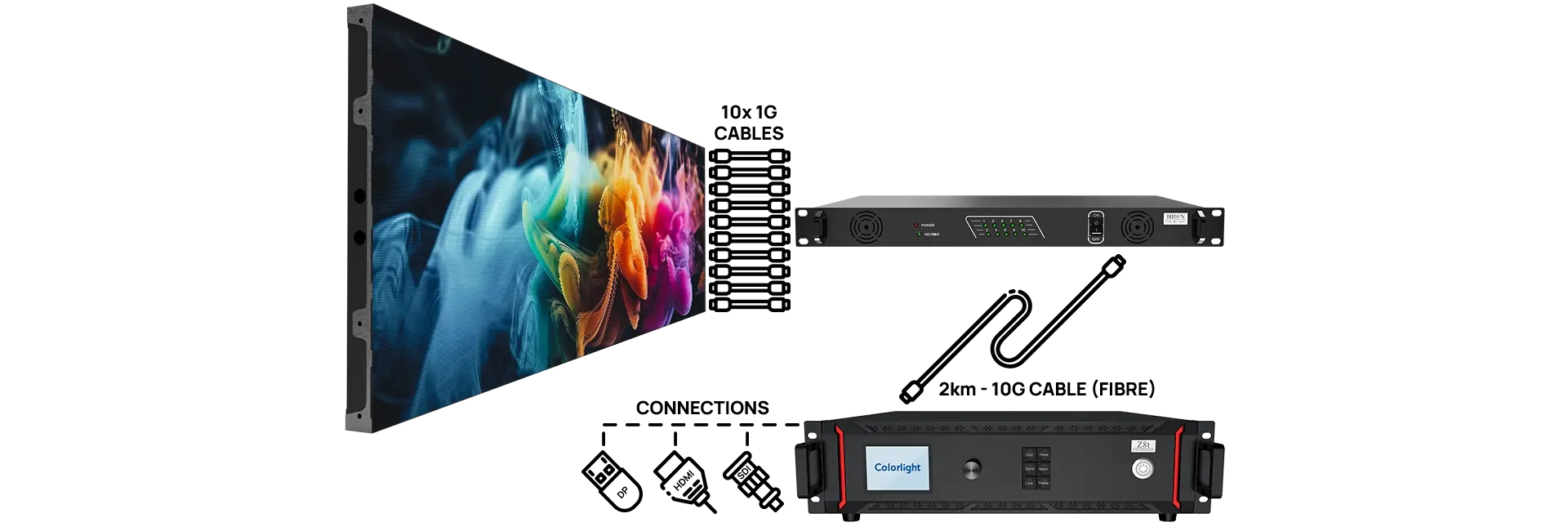
In the world of LED display technology, two critical components play an essential role in ensuring optimal performance: LED display processors and receiver cards. These devices work together to manage the complex process of converting digital signals into high-quality visuals displayed on your LED panels. Whether you are setting up a large LED video wall, a digital billboard, or a smaller LED screen, understanding the function and role of these components is crucial for achieving the best results.

At LEDDisplay.pk, we break down the importance of LED display processors and receiver cards and how they enhance the performance of LED displays.

What is an LED Display Processor?

An LED display processor is a crucial piece of equipment that takes digital input signals, processes them, and outputs them to the LED display panels. The processor ensures that the image or video is displayed correctly and seamlessly across all connected panels in a video wall or large display system.

Key Functions of LED Display Processors:

  1. Signal Conversion
    One of the primary functions of an LED display processor is to convert digital signals (such as HDMI, DVI, or VGA) into a format that the LED panels can interpret. This allows content from various sources (computers, video players, etc.) to be displayed with full clarity and without distortion.

  2. Image Scaling and Processing
    The processor is responsible for scaling images and videos to fit the resolution and size of the LED display. Whether it's adjusting the resolution for a large screen or optimizing the aspect ratio, the LED display processor ensures the content appears sharp and clear.

  3. Color Calibration
    LED display processors manage color calibration to ensure that the colors displayed on the LED panels are accurate and consistent. This is particularly important for applications like advertising, digital signage, and visual media, where vibrant and true-to-life colors are essential.

  4. Brightness and Contrast Control
    To maintain optimal visibility under various lighting conditions, processors adjust the brightness and contrast levels of the LED display. This helps ensure that the content remains visible in both dim and bright environments.

  5. Signal Distribution
    For large installations, the processor distributes signals across multiple screens in a synchronized manner, ensuring the content appears uniform across all panels, creating a seamless display.

What is a Receiver Card?

A receiver card is a device that works in tandem with the LED display processor, responsible for receiving the processed signals and sending them to the individual LEDs on the display panel. It acts as a bridge between the display processor and the LED screen.

Key Functions of Receiver Cards:

  1. Signal Reception and Transmission
    The receiver card receives the signals sent by the LED display processor and translates them into electrical signals that control the individual pixels on the LED panel. It ensures that each pixel is displayed correctly in terms of color and brightness.

  2. Pixel Control
    The receiver card manages the control of each LED pixel, ensuring that the correct amount of power is supplied to each individual LED for accurate color reproduction and clarity. In large installations, multiple receiver cards are used to handle the pixel control of each section of the display.

  3. Synchronization Across Panels
    For multi-panel LED walls, receiver cards ensure that all panels are synchronized in terms of content display. The cards ensure smooth transitions between different panels, making the display look continuous without any gaps or misalignment.

  4. Data Handling and Communication
    Receiver cards handle the data flow between the processor and the LED panels, ensuring that the signals are transmitted efficiently. They also manage any communication errors, ensuring reliable data transfer.

The Relationship Between Display Processors and Receiver Cards

Both LED display processors and receiver cards are integral to the functionality of LED display systems. The processor handles the initial signal conversion, image processing, and content distribution, while the receiver card receives the processed signal and controls the individual LED pixels to produce the final image on the display. Together, they ensure that the content is displayed with optimal quality, accuracy, and synchronization.

Why Are LED Display Processors and Receiver Cards Important?

  • Enhanced Image Quality: The combination of signal processing, color calibration, and brightness control ensures that the final display is sharp, vibrant, and accurate.

  • Seamless Multi-Panel Displays: For large video walls or multi-screen installations, these components work together to deliver a seamless viewing experience with no visible borders or disruptions between panels.

  • Efficient Data Transmission: Receiver cards ensure that data flows efficiently from the processor to the LED panels, preventing delays and reducing latency in the display of real-time content.

  • Customization and Flexibility: With advanced LED processors and receiver cards, users can customize their displays to suit their specific needs—whether it’s adjusting the resolution, adding special effects, or controlling multiple screens simultaneously.

Conclusion

In LED display technology, processors and receiver cards work in harmony to bring content to life on screens. These components are vital for signal processing, pixel control, color accuracy, and overall performance. Whether you're designing a digital signage display, setting up a LED video wall, or creating an immersive visual experience, understanding the role of these components ensures your display performs at its best.

At LEDDisplay.pk, we provide high-quality LED processors and receiver cards designed for seamless integration and superior performance. If you're ready to take your LED display to the next level, explore our range of solutions today.

Leave a Reply

Your email address will not be published. Required fields are marked *