Blogs
Key Considerations for Aspect Ratio, Scaling, and Pixel Pitch in LED Displays
Key Considerations for Aspect Ratio, Scaling, and Pixel Pitch in LED Displays – LEDDisplay.pk
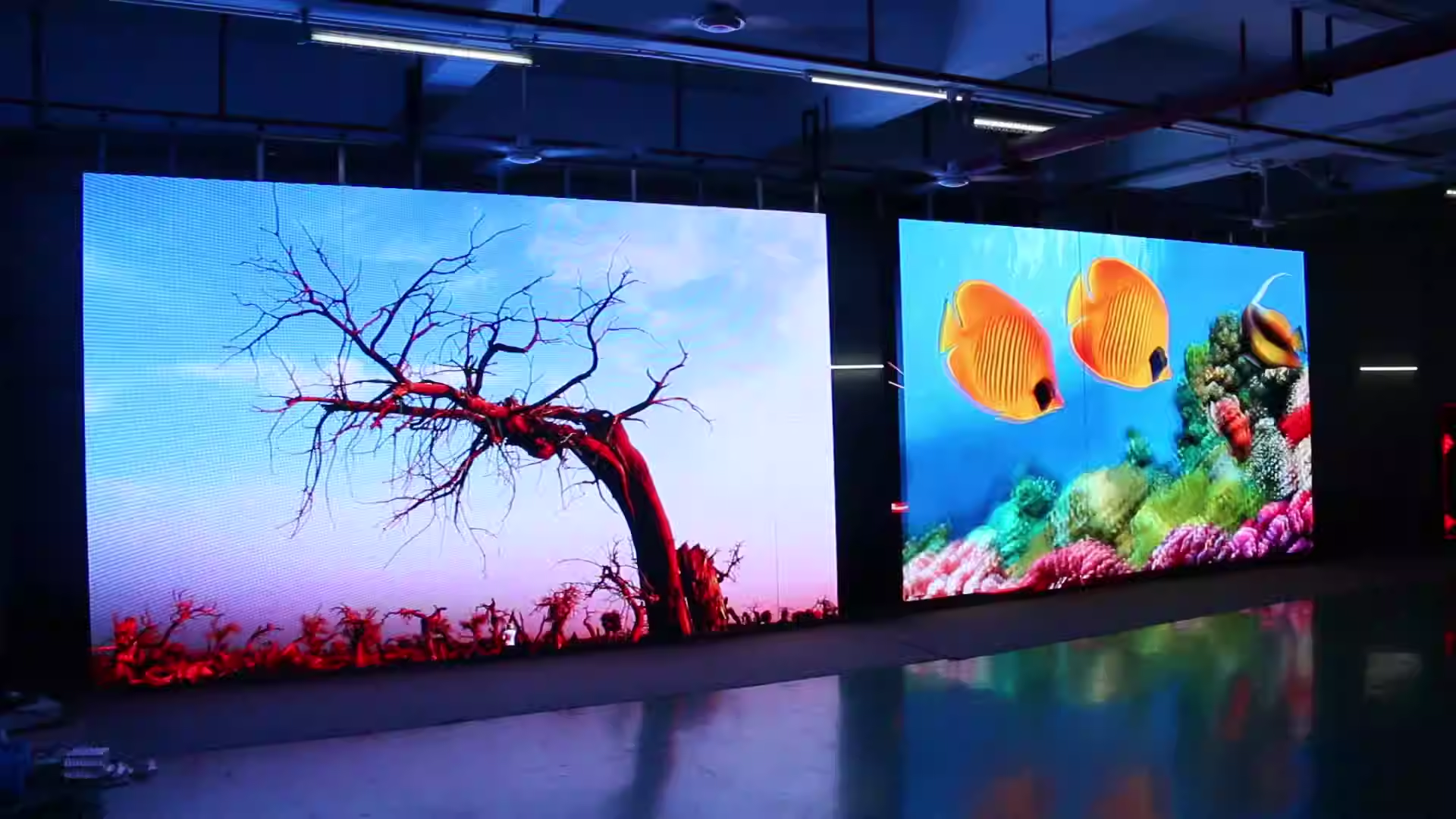
When choosing the perfect LED display for your needs, it’s essential to understand several critical factors, including aspect ratio, scaling, and pixel pitch. These elements significantly impact the visual performance, quality, and overall user experience of your LED screen. At LEDDisplay.pk, we’re committed to helping you make informed decisions when selecting the best LED display for your business or project. In this blog, we’ll break down these important factors and explain why they matter.
1. Understanding Aspect Ratio in LED Displays
The aspect ratio of an LED display refers to the proportional relationship between the width and height of the screen. The most common aspect ratios are 16:9, 4:3, and 21:9.
- 16:9 Aspect Ratio: This is the most widely used aspect ratio for modern TVs, monitors, and video content. It is ideal for most applications, such as digital signage and video walls, as it aligns with HD, 4K, and Full HD content.
- 4:3 Aspect Ratio: This is often used in older content, presentations, or specialized applications where square-like proportions are preferred.
- 21:9 Aspect Ratio: Typically used for cinematic experiences, offering a more immersive viewing experience, perfect for movie theaters or premium video walls.
Choosing the correct aspect ratio ensures that your content is displayed without distortion, making the viewing experience more enjoyable and professional.
2. Scaling: Maintaining Image Quality on Different Screen Sizes
Scaling is the process of resizing the content to fit the LED screen without compromising the image quality. When using an LED display of a different resolution or size from the original content, scaling ensures that the image adapts properly.
- Uniform Scaling: Scales the content proportionally without distortion, maintaining the aspect ratio.
- Non-Uniform Scaling: Adjusts only one dimension of the image (height or width), which can lead to stretching or squishing of the content.
Proper scaling is crucial when displaying multimedia content across multiple screens, such as digital signage, video walls, or outdoor advertising. It ensures the content fits perfectly, maintaining clarity and avoiding pixelation or distortion.
3. The Importance of Pixel Pitch in LED Displays
The pixel pitch refers to the distance between individual pixels on an LED display. This measurement is typically given in millimeters (mm) and determines the resolution and image quality of the display.
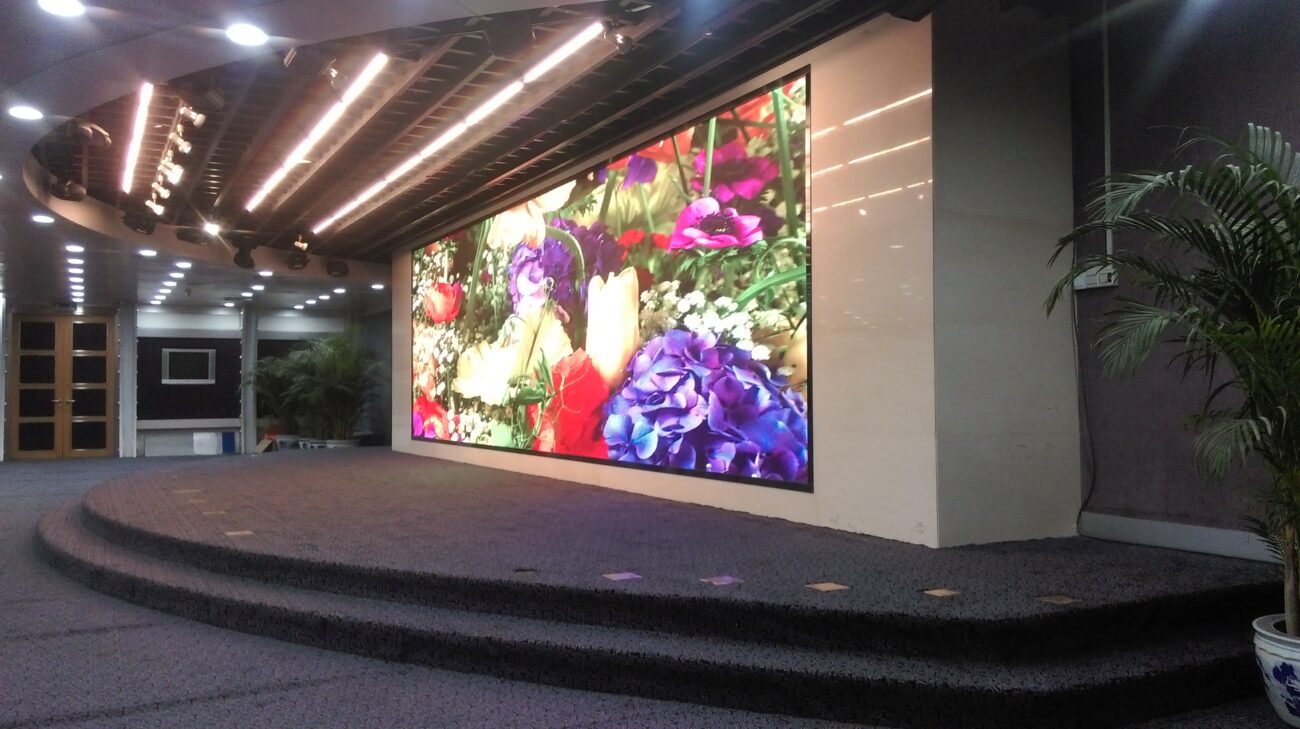
- Smaller Pixel Pitch: Displays with a smaller pixel pitch (e.g., 1.2mm or 2.5mm) have higher pixel density, leading to sharper and more detailed images. These are ideal for indoor environments with close viewing distances, such as retail stores, control rooms, or conference halls.
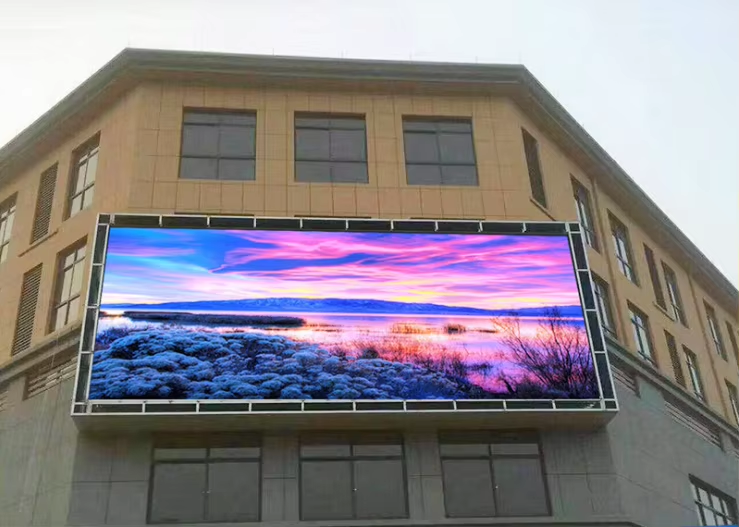
- Larger Pixel Pitch: Displays with a larger pixel pitch (e.g., 6mm or 10mm) are better suited for outdoor applications where the viewing distance is longer. They offer good visibility in bright environments and are typically used for billboards and large-scale outdoor signage.
When selecting an LED display, understanding pixel pitch helps you choose the right screen for your viewing distance and application. It plays a significant role in the clarity and crispness of the displayed content.
4. Why These Factors Matter for Your LED Display
Each of these factors—aspect ratio, scaling, and pixel pitch—affects the overall quality and performance of your LED display. At LEDDisplay.pk, we understand how these elements influence the effectiveness of your display in various settings:
- Digital Signage: Proper scaling ensures your advertising content looks sharp and fits perfectly, while the right aspect ratio maintains consistency across multiple screens.
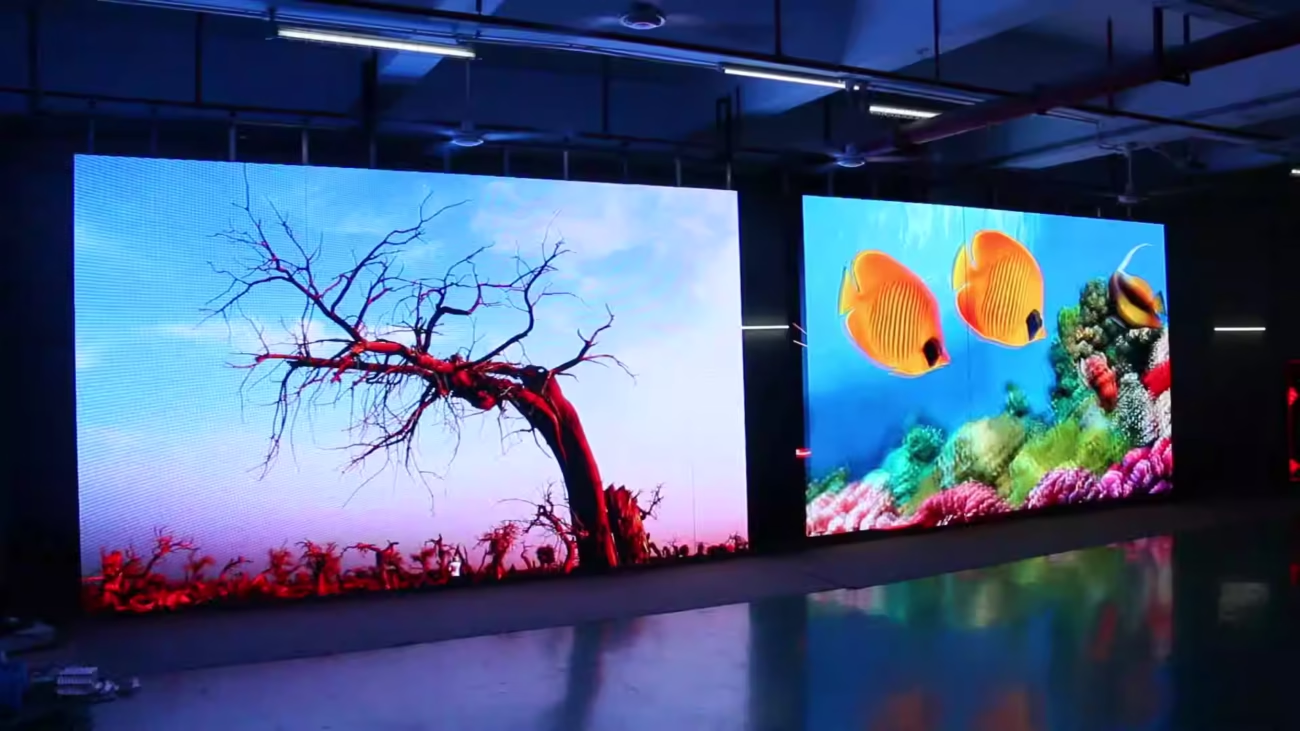
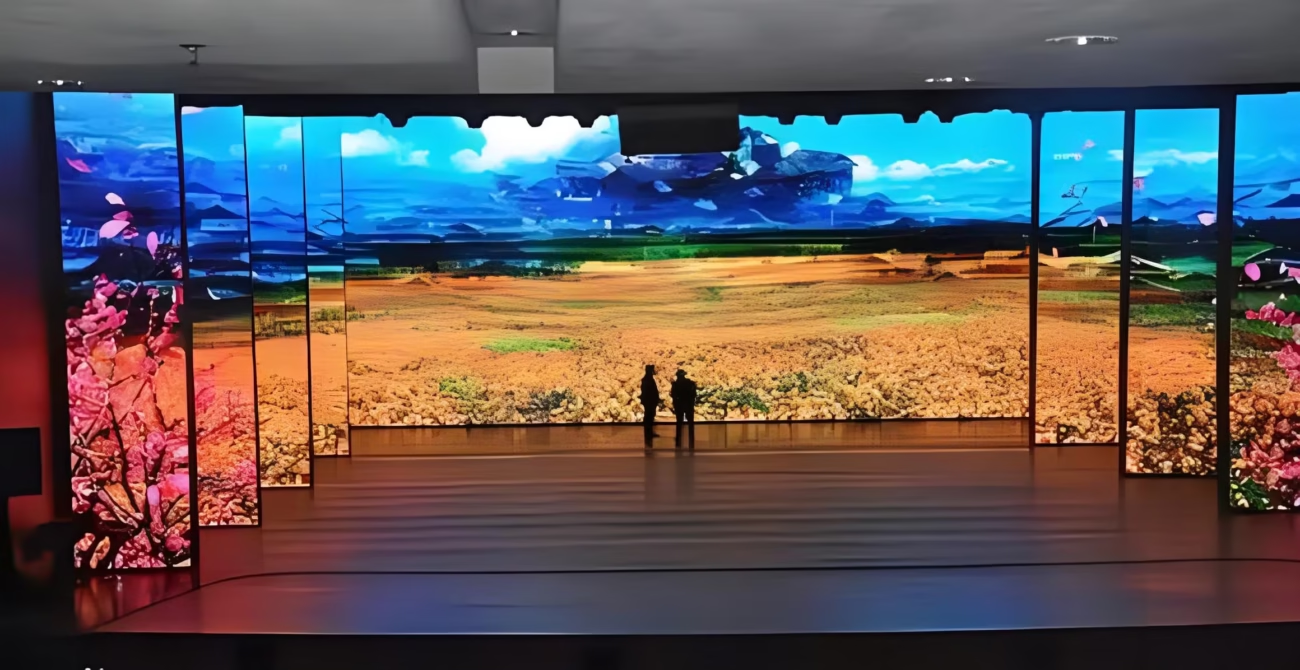
- Video Walls: The pixel pitch is essential to achieving the best viewing experience, and aspect ratio alignment guarantees seamless transitions between screens.
- Outdoor Displays: Larger pixel pitch ensures visibility from a distance, while scaling ensures your content doesn’t appear stretched or pixelated.
5. Conclusion
Choosing the right LED display requires careful consideration of aspect ratio, scaling, and pixel pitch. By understanding these key factors, you can ensure that your display performs optimally, offering the best visual experience for your audience. Whether you’re outfitting your business with digital signage, creating a stunning video wall, or setting up an outdoor billboard, LEDDisplay.pk is here to help guide you through the selection process.
For more information or assistance in selecting the ideal LED display for your needs, reach out to our team today at LEDDisplay.pk. We are dedicated to helping you find the perfect display solution!
Related Posts
How to Create Compelling Content for Your Digital Signage Campaigns
-
Posted by
Syed Talha Ali
- 0 comments
Choosing the Best LED Displays for Your Business Needs: A Complete Guide
-
Posted by
Syed Talha Ali
- 0 comments
10 Ways Digital Signage Can Transform Retail Customer Engagement
-
Posted by
Syed Talha Ali
- 0 comments
Benefits of LED Signage for Businesses
-
Posted by
bahramand.khattak@gmail.com
- 0 comments
Effective Digital Signage Strategies to Enhance Brand Visibility
-
Posted by
bahramand.khattak@gmail.com
- 0 comments
Key Design Principles for Effective LED Screens and Signage
-
Posted by
bahramand.khattak@gmail.com
- 0 comments
When it’s about controlling hundreds of articles, product pages for web shops, or user profiles in social networks, all
Factors that Determine LED Display Contrast
-
Posted by
bahramand.khattak@gmail.com
- 0 comments
Digital Drywall: Revolutionizing Building Materials with LED Display Technology
-
Posted by
bahramand.khattak@gmail.com
- 0 comments
Understanding IC Chips and Their Crucial Role in LED Display Technology
-
Posted by
bahramand.khattak@gmail.com
- 0 comments
“LED Display Processors and Receiver Cards: Understanding Their Functionality and Role”
-
Posted by
bahramand.khattak@gmail.com
- 0 comments